

Table of Contents
Introduction: Why Dayton’s Water Damage Challenges Demand Unique Solutions
Dayton, Ohio, sits at the confluence of the Great Miami, Mad, and Stillwater Rivers—a geographic marvel that also makes it one of the Midwest’s most flood-prone cities. Combined with its rich architectural heritage (over 15% of homes were built before 1940), Dayton’s water damage risks are unparalleled. Whether it’s a burst pipe in a 1920s Craftsman bungalow in South Park or storm surge flooding a basement in Belmont, residents need strategies that address both modern emergencies and historic preservation. This expanded guide dives deeper into Dayton-specific risks, restoration science, and proactive measures to safeguard your home.
Dayton’s Water Damage Risks: A Perfect Storm of Geography, Climate, and History
1. River Flooding: The Great Miami’s Legacy
Dayton’s nickname, “The Gem City,” belies its turbulent relationship with water. The Great Miami River’s 1913 flood remains one of Ohio’s worst disasters, submerging downtown under 20 feet of water. While the Miami Conservancy District’s dams reduced risks, climate change has intensified rainfall, with the National Weather Service reporting a 25% increase in Dayton-area storms since 2000. Flood zones now extend beyond riverside neighborhoods like Riverdale into areas like Five Oaks.
2. Aging Infrastructure: A Ticking Time Bomb
- Historic Plumbing: Many Dayton homes feature original galvanized steel pipes, which corrode and leak over time. The City of Dayton estimates 40% of residential water damage claims stem from plumbing failures.
- Clay Sewer Lines: Common in older neighborhoods like Grafton Hill, clay sewers crack under shifting soil, leading to backups during heavy rains.
3. Seasonal Threats: From Summer Storms to Winter Freezes
- Summer: Southwest Ohio’s “monsoon season” (June–August) brings 12+ inches of rain, overwhelming gutters and sump pumps.
- Winter: Subzero temperatures freeze pipes, especially in uninsulated homes like Dayton’s historic brick Victorians.
Keyword focus: “Dayton OH flood history,” “old pipe repair Dayton,” “Great Miami River flood zones”
The Domino Effect of Water Damage: Health, Safety, and Financial Fallout
1. Mold: Dayton’s Silent Invader
Ohio’s average 72% humidity turns damp drywall into a mold incubator. Common Dayton molds include:
- Stachybotrys (Black Mold): Thrives in flooded basements; linked to respiratory issues.
- Aspergillus: Grows on waterlogged wood; exacerbates allergies.
*Dayton Public Health reported 300+ mold-related hospital visits in 2022.*
2. Structural Hazards in Historic Homes
- Plaster Walls: Absorb moisture quickly, leading to crumbling in homes like those in the St. Anne’s Hill Historic District.
- Hardwood Floors: Warping and cupping occur within hours, ruining original flooring in Dayton’s historic properties.
3. Financial Losses: Beyond Repair Bills
- Insurance Premiums: Dayton homeowners with flood claims see average annual increases of $500.
- Resale Value: A 2023 study showed water-damaged homes in the Oregon District sell for 15% less than unaffected properties.
Keyword focus: “mold testing Dayton OH,” “Dayton historic home repair costs,” “flood insurance Dayton”
Dayton’s Gold-Standard Restoration Process: Step-by-Step
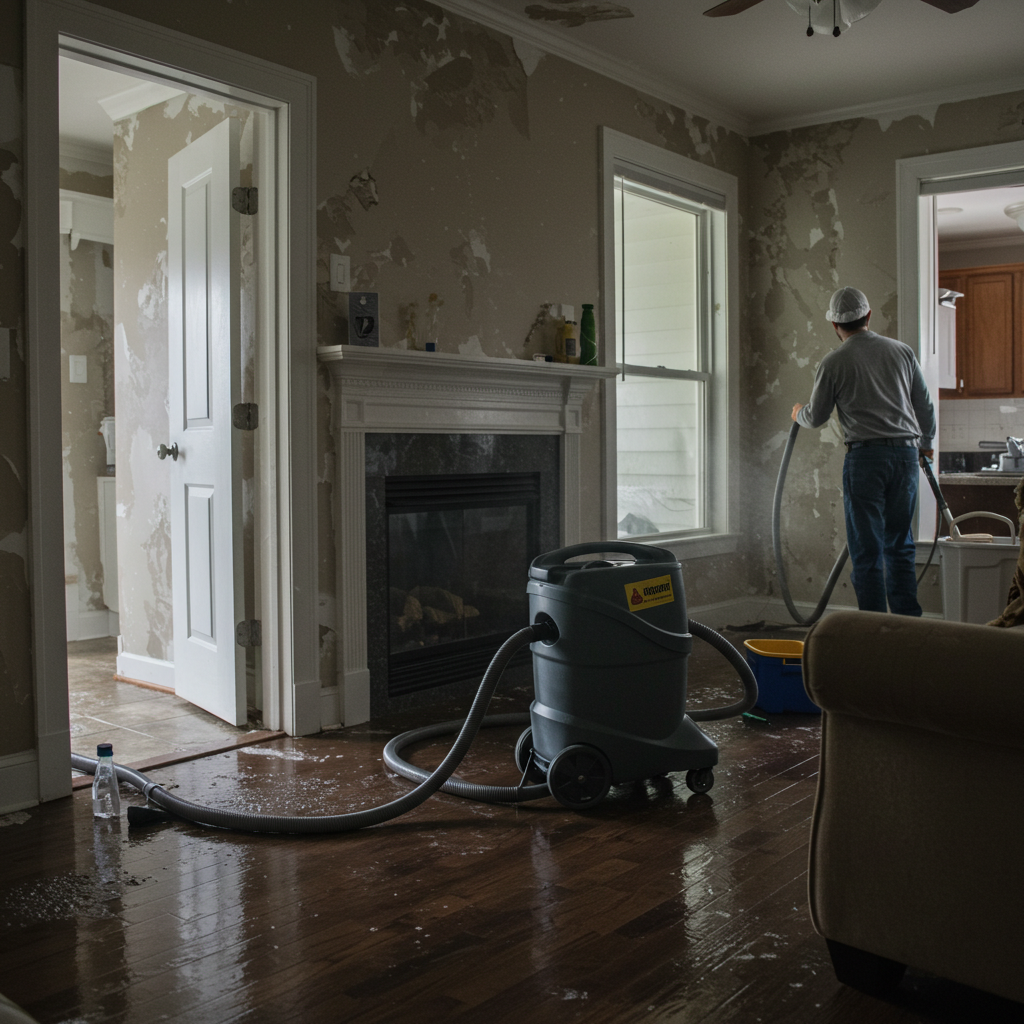
Local experts like Dayton Dry Pros and RestoreX follow a meticulous, Dayton-centric approach:
Phase 1: Emergency Response (0–24 Hours)
- Rapid Extraction: Truck-mounted pumps remove standing water (critical for homes near Huffman Dam floodplains).
- Cultural Assessment: Documenting original materials in historic homes (e.g., hand-carved woodwork in Dayton’s Paul Laurence Dunbar House).
Phase 2: Drying & Decontamination (24–72 Hours)
- Industrial Dehumidifiers: Reduce humidity to 45%—Ohio’s safe threshold.
- HEPA Scrubbing: Removes airborne mold spores, crucial for families with asthma (Dayton’s asthma rate is 18% above the national average).
Phase 3: Reconstruction & Preservation (3+ Days)
- Material Matching: Sourcing century-old bricks or replica wood moldings for seamless repairs.
- Flood-Proofing: Installing French drains or vapor barriers in basements, common in Dayton’s flood-prone Belmont neighborhood.
Why Local Dayton Companies Outperform National Chains
1. Hyper-Local Expertise
- Flood Patterns: Dayton pros know which streets (e.g., Burkhardt Avenue) flood first during heavy rains.
- Permit Navigation: Familiarity with Dayton’s strict historic preservation codes avoids project delays.
2. Community Commitment
- 24/7 Dayton Coverage: Local teams bypass highway closures (e.g., I-75 shutdowns during storms) to reach you faster.
- Case Study: In 2022, Dayton Flood Heroes restored 50 homes after a record storm in the McPherson Town neighborhood within 72 hours.
3. Certified & Specialized Training
- IICRC Certification: Required for Dayton restoration licenses.
- Historic Preservation Courses: Some Dayton technicians train with Preservation Dayton Inc. to handle antique materials.
Keyword focus: “Dayton emergency flood response,” “IICRC-certified Dayton,” “Preservation Dayton partnerships”
Advanced Prevention: How Dayton Homeowners Can Stay Ahead
1. Flood-Proofing for River-Adjacent Homes
- Backflow Valves: Prevent sewer backups during Great Miami overflows (required by code in Dayton’s floodplain districts).
- Elevated HVAC Systems: Raise units above potential water levels, as seen in newer builds along the RiverScape MetroPark.
2. Smart Home Technology
- Wi-Fi Leak Detectors: Brands like Moen offer sensors that alert Dayton homeowners via smartphone about pipe bursts.
- Sump Pump Alarms: Notify you of failures during power outages (critical in areas like Kettering with older electrical grids).
3. Seasonal Maintenance Checklists
- Spring: Inspect roofs for winter damage—Dayton’s clay tiles often crack after freeze-thaw cycles.
- Fall: Clear gutters of leaves from Dayton’s sugar maple trees to prevent ice dams.
Keyword focus: “Dayton flood-proofing tips,” “smart water sensors Dayton,” “Ohio seasonal home maintenance”
Insurance Insights: Navigating Claims in Dayton
1. What’s Covered (and What’s Not)
- Covered: Sudden pipe bursts, storm-related roof leaks.
- Not Covered: Groundwater seepage, Great Miami River floods (requires separate FEMA policy).
2. Documenting Damage for Success
- Photo Evidence: Capture timestamps, especially for historic elements.
- Pro Tip: Store heirlooms upstairs if you live in Dayton’s flood zones (e.g., near Eastwood Lake).
3. Local Resources
- Dayton Disaster Loan Center: Offers low-interest loans for uninsured damage.
- Habitat for Humanity Dayton: Provides free repair assistance to qualifying homeowners.
Keyword focus: “Dayton flood insurance claims,” “FEMA assistance Dayton OH,” “Habitat for Humanity Dayton repairs”
FAQs: Addressing Dayton Residents’ Top Concerns
Q: Can I salvage my original hardwood floors after a flood?
A: Maybe! Dayton pros use “injectidry” systems to dry floors without removal. Success depends on acting within 24 hours.
Q: Are there grants for historic home flood prevention?
A: Yes! Dayton’s Heritage Commission offers grants up to $5,000 for flood-proofing pre-1940 homes.
Q: How do I check if my home is in a FEMA flood zone?
A: Use the Montgomery County Flood Map Portal or visit the Dayton Planning Office.
Conclusion: Protect Your Home’s Legacy with Dayton’s Trusted Experts
Water damage in Dayton isn’t just a repair project—it’s a rescue mission for your home’s history and safety. By partnering with local, certified pros, leveraging smart prevention tech, and understanding insurance nuances, you can turn the tide against floods, mold, and decay.