
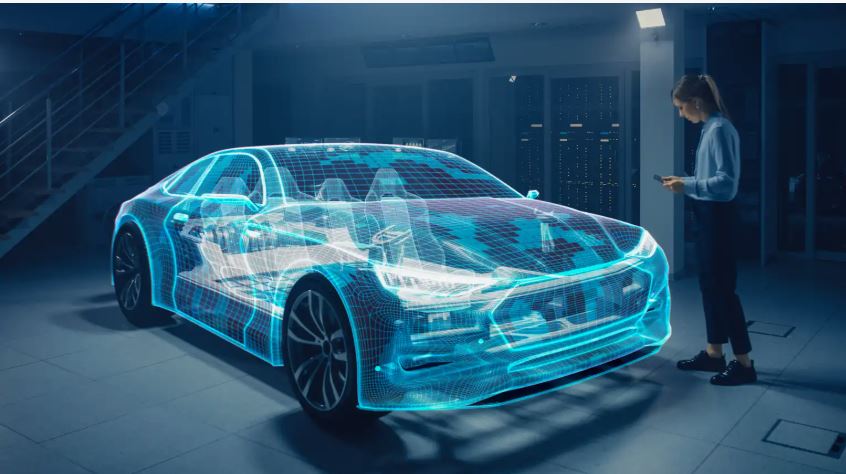

The automotive industry is experiencing a profound revolution driven by Artificial Intelligence (AI) and Big Data technologies. These tools are transforming every stage of a vehicle’s lifecycle—from design and production to maintenance and resale. In regions like Canberra, where precise vehicle pricing is essential, innovations such as car valuation Canberra powered by AI and data analytics are providing more accurate and transparent insights for consumers and dealers alike.
Table of Contents
Transforming Automotive Design and Manufacturing
AI and Big Data are enabling automotive manufacturers to innovate faster and smarter. By analyzing huge datasets generated during design and testing, manufacturers can identify flaws and optimize performance early in the development cycle. AI-driven simulations help engineers create safer, more fuel-efficient, and environmentally friendly vehicles.
On the factory floor, AI-powered robots collaborate with humans to increase efficiency and precision. Sensors collect real-time data to monitor assembly lines, allowing predictive maintenance that prevents costly breakdowns. This data-driven approach ensures higher production quality and reduces waste, contributing to sustainable manufacturing practices.
Revolutionizing Safety and Driver Assistance
Safety remains a top priority for automotive innovation, and AI is a key player here. Big Data gathered from millions of vehicles helps improve Advanced Driver Assistance Systems (ADAS). AI models use this data to enhance features like lane departure warnings, blind-spot detection, and collision avoidance systems.
Self-learning AI systems adapt to different driving conditions and driver behaviors, making roads safer for everyone. The integration of AI into vehicle systems supports the gradual shift towards fully autonomous vehicles, which promise to reduce human error, the cause of the majority of road accidents.
Personalization and Connected Cars
Modern vehicles are becoming digital hubs, connecting drivers with their cars and the surrounding world. AI leverages Big Data from user preferences, location history, and driving habits to personalize experiences. For instance, AI can adjust seat positions, climate control, and infotainment options based on who’s driving.
Connected cars also communicate with infrastructure and other vehicles, using AI to optimize traffic flow and reduce congestion. This connectivity improves fuel efficiency and decreases emissions, supporting broader environmental goals.
Big Data’s Role in Accurate Car Valuation
When it comes to buying or selling a vehicle, accurate valuation is crucial. Traditionally, car valuation relied heavily on static factors like age and mileage. However, Big Data combined with AI now analyzes a vast range of dynamic inputs—market demand, local sales trends, vehicle condition reports, and even seasonal variations.
In Canberra, for example, Car Recycling Canberra services increasingly harness AI to provide real-time, precise appraisals. This technology offers car owners and dealers transparency and confidence in pricing, making transactions fairer and more efficient.
Predictive Maintenance: Saving Time and Costs
AI’s ability to analyze continuous streams of data from vehicle sensors is transforming maintenance from reactive to proactive. Predictive maintenance systems alert drivers to potential issues before they become serious problems. This not only improves vehicle reliability but also extends its lifespan.
Automotive companies are also using Big Data analytics to optimize parts inventory and service scheduling, reducing wait times and improving customer satisfaction. For fleet operators, this means less downtime and better cost control.
The Future of Autonomous Vehicles
Autonomous or self-driving cars represent the pinnacle of AI and Big Data application in the automotive world. These vehicles process immense amounts of data from cameras, radar, LIDAR, and GPS to understand their surroundings and make split-second decisions.
Machine learning algorithms improve these systems continuously by learning from new data, making autonomous driving safer and more reliable. As this technology matures, it promises to revolutionize urban mobility, reduce traffic accidents, and transform public transportation systems.
Addressing Challenges: Data Privacy and Security
With the rise of AI and Big Data, concerns around data privacy and cybersecurity are more prominent than ever. Automotive manufacturers must implement robust security measures to protect sensitive information gathered from vehicles and drivers.
Additionally, clear regulations and ethical guidelines are essential to ensure that data is used responsibly. Building consumer trust will be critical as the industry moves towards increasingly connected and autonomous vehicles.
Driving Sustainability Through Innovation
Environmental sustainability is a pressing concern for the automotive industry. AI and Big Data are key to advancing green technologies. By optimizing engine performance and energy consumption through real-time data, vehicles can reduce emissions and improve fuel efficiency.
Electric vehicle (EV) development benefits significantly from AI. Big Data helps manufacturers monitor battery health, predict lifespan, and improve charging infrastructure planning. Moreover, AI models optimize EV range based on driving habits and terrain.
In manufacturing, data-driven insights reduce waste and energy usage. Smart logistics powered by AI minimize carbon footprints across supply chains, contributing to a more sustainable automotive ecosystem.
Conclusion
AI and Big Data are undeniably the driving forces behind the latest wave of automotive innovation. From smarter manufacturing and personalized driving experiences to advanced safety features and precise car valuations, these technologies are reshaping the industry landscape.
For consumers in Canberra and beyond, AI-enhanced tools like car valuation Canberra services provide greater confidence and transparency when making vehicle decisions. As innovation accelerates, embracing these technologies will be essential for automakers, dealers, and drivers alike to unlock the full potential of the automotive future.