
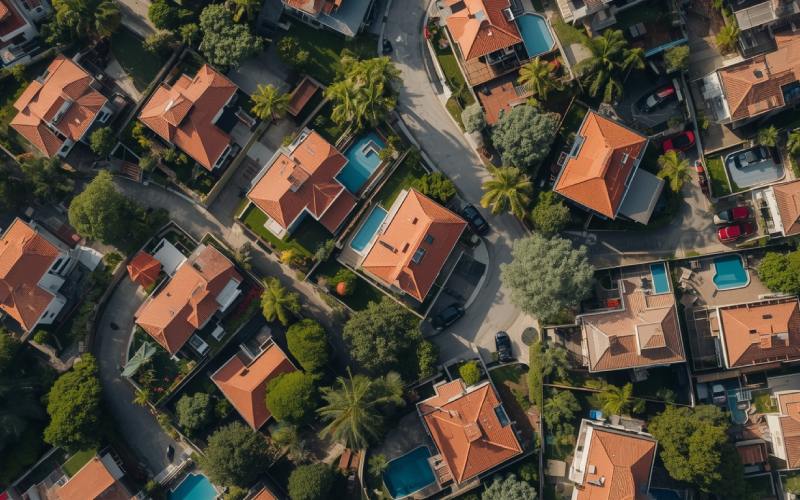

Investing in overseas property is an exciting prospect, offering lifestyle benefits and portfolio diversification. Southeast Asia, particularly Thailand, has long been a favoured destination for expatriates, retirees, and international investors seeking both high yields and an exceptional quality of life. However, entering a new market means navigating a completely different set of rules, regulations, and industry jargon. When searching for condos for sale Pattaya, developers and agents will often use specific market terminology that international buyers must decode to make informed decisions. Understanding these terms is the first vital step toward a secure and transparent property purchase.
Table of Contents
Decoding Ownership Structures and Title Deeds
One of the most critical concepts for international buyers to understand is the “Foreign Ownership Quota”. Under Thailand’s Condominium Act of 1979, foreign nationals can hold a freehold title, but they are collectively restricted to owning a maximum of 49 percent of a single building’s total saleable floor area. If the 49 percent quota is already filled, buyers will often encounter the term “Leasehold”. This alternative ownership structure grants the buyer rights to the property for a maximum legally recognised term of 30 years, with options for renewal usually outlined in the initial contract.
Beyond quotas, understanding local title deeds is paramount. In Thailand, the most secure and highly coveted land title is the Chanote (Nor Sur 4 Jor). This document grants full ownership rights and has been accurately surveyed using GPS coordinates. Knowing whether a building sits on Chanote-titled land provides absolute certainty regarding the property boundaries and land tenure.
Despite various proposals in recent years to expand foreign ownership limits, the fundamental laws remain firm as of late 2026. This legislative stability gives buyers a predictable framework when looking at prospective investments. Furthermore, according to the Thailand Real Estate Market Outlook 2024 published by CBRE, buyers can expect an ongoing increase in downtown condominium product variety. This expansion makes it significantly easier for foreign investors to find units that perfectly match their lifestyle and budget while adhering strictly to these established ownership structures.
Navigating Property Fees and Financial Terms
Beyond the initial purchase price, international buyers must familiarise themselves with the specific financial terminology used during the handover process. Local property markets use unique acronyms and fee structures that you must factor into your initial budget to ensure there are no financial surprises upon completion.
Here are the most common financial terms you will encounter during a property transaction:
- Sinking Fund: This is a one-time, upfront reserve fee collected from new owners at the time of the property transfer. It typically ranges from 400 to 800 THB per square metre and is held in a special reserve account to cover major future structural repairs, external painting, or large-scale building renovations.
- CAM Fees: Standing for Common Area Management, these are ongoing maintenance fees that cover daily operations for shared facilities like swimming pools, gymnasiums, and 24-hour security personnel. They usually cost between 30 and 150 THB per square metre per month. Developers often require them to be paid one to three years in advance upon the initial handover.
- Transfer Fees: This is the government tax levied when a property officially changes hands at the local land office. Standard property transfer fees in Thailand are typically 2 percent of the officially appraised value, which is conventionally split equally between the buyer and the seller.
- Stamp Duty: This is a government tax applied to the sale of property, usually charged at 0.5 percent of the registered value or the appraised value, whichever is higher. It is typically paid by the seller but is a crucial term to recognise during contract negotiations.
Understanding Location Premiums and Valuations
In resort-focused coastal markets, capital appreciation and daily property values are heavily influenced by specific geographic factors. For instance, neighbourhoods like Wongamat in North Pattaya command some of the highest real estate valuations in the region, with premium beachfront units averaging up to 140,000 THB per square metre. Buyers should be acutely aware of how local developers structure their pricing based on these highly desirable attributes.
Agents and developers frequently use acronyms to describe pricing adjustments related to a unit’s specific position within a building or complex. It is highly beneficial to research what these abbreviations mean in a broader real estate context. For example, understanding how a PLC full form translates to Preferential Location Charges is vital. These charges are added to the base price of a unit because of its advantageous position, such as a higher floor, a premium sea view, or direct proximity to luxury amenities.
Additionally, terms like “Off-Plan” are widely used across the country. Buying off-plan means purchasing a property before it has been completed, often before construction has even begun. This usually offers lower introductory prices and the potential for capital gains by the time the project is finished, though it requires a thorough understanding of developer track records and payment schedules.
Ultimately, mastering this essential terminology empowers you to negotiate effectively and evaluate properties with absolute confidence. Whether you are seeking a lucrative investment tied to the Eastern Economic Corridor initiatives or a serene beachfront retirement home, knowing the local real estate language ensures your overseas property journey is both smooth and highly secure.